Planning a trip to Ho Chi Minh City? Don’t miss these unforgettable historical landmarks and war-era sites that reveal the soul of modern Vietnam. From haunting war museums to colonial masterpieces, this guide will help you navigate the city’s most powerful destinations — complete with insider tips, visitor info, ticket prices, opening hours, and how to make the most of your visit. Whether you’re a history buff, a curious traveler, or simply seeking meaningful experiences in Southeast Asia, these sites offer profound insight into Vietnam’s past — and its resilient present.
🏛️ Why Visit Ho Chi Minh City’s Historical Landmarks?
Ho Chi Minh City — once known as Saigon — is more than just Vietnam’s economic powerhouse. It’s a living museum where French colonial elegance meets post-war resilience, and where every street corner tells a story of revolution, sacrifice, and rebirth.
Visiting its historical landmarks isn’t just sightseeing — it’s an emotional journey through decades of conflict, occupation, resistance, and ultimately, reunification. These sites are not merely tourist attractions; they’re sacred spaces of memory, education, and national identity.
🔥 1. War Remnants Museum — The Most Powerful (and Heartbreaking) Museum in Vietnam
📍 Location: 28 Vo Van Tan Street, District 3
🕒 Opening Hours: 7:30 AM – 5:00 PM (Daily)
🎟️ Entrance Fee: VND 40,000 (~$1.60 USD)
⏱️ Recommended Visit Time: 1.5–2.5 hours
🌐 Website: BOOK TICKET
What You’ll Experience:
The War Remnants Museum (Bảo tàng Chứng tích Chiến tranh) is one of the most emotionally intense museums you’ll ever visit. Housed in a building that once served as the U.S. Information Agency during the war, it presents a stark, unflinching look at the Vietnam War — from the Vietnamese perspective.
Key Exhibits:
- Agent Orange & Chemical Warfare: Photographs of children born with severe deformities due to dioxin exposure. This section alone brings many visitors to tears.
- Weapons & Military Equipment: Tanks, helicopters, bombs, and aircraft used by both sides — including a U.S. F-5 fighter jet and a Soviet-made T-54 tank.
- Photography Gallery: Iconic and disturbing images captured by international journalists — including the famous “Napalm Girl” photo by Nick Ut.
- “Requiem” Exhibit: A tribute to fallen war photographers from around the world.
- Children’s Artwork: Drawings by Vietnamese children depicting war horrors — chillingly poignant.
- Propaganda Posters: Both North and South Vietnamese propaganda materials showcasing the ideological battle.
💡 Pro Tip: Visit early in the morning to avoid crowds and allow yourself time to process the heavy content. Bring tissues — you may need them.
Visitor Tips:
- Photography is allowed inside (except in some sensitive areas).
- Audio guides available in multiple languages for an extra fee.
- Avoid bringing young children — content is graphic and emotionally overwhelming.
- Combine your visit with nearby Tao Dan Park for a moment of calm afterward.
🎯 2. Reunification Palace (Independence Palace) — Where History Was Made
📍 Location: 135 Nam Ky Khoi Nghia Street, District 1
🕒 Opening Hours: 7:30 AM – 4:00 PM (Daily)
🎟️ Entrance Fee: VND 40,000 (~$1.60 USD)
⏱️ Recommended Visit Time: 1–1.5 hours
🌐 Official Website: http://www.hochiminhcity.gov.vn (check under “Tourist Attractions”)
What You’ll Experience:
The Reunification Palace (Dinh Độc Lập) is the symbolic heart of modern Vietnam. On April 30, 1975, a North Vietnamese tank crashed through its gates — marking the official end of the Vietnam War and the fall of Saigon.
Designed by architect Ngo Viet Thu in the 1960s, the palace blends modernist architecture with traditional Vietnamese motifs. Inside, you’ll find perfectly preserved rooms from the final days of the South Vietnamese government — including President Nguyen Van Thieu’s office, the Cabinet Room, and even the Presidential Bedroom.
Must-See Areas:
- The Command Bunker: Hidden beneath the palace, this Cold War-era bunker features communication centers, emergency rooms, and escape tunnels.
- The Oval Conference Room: Where critical decisions were made during the final days of the war.
- The Rooftop Helipad: Where American diplomats famously evacuated by helicopter — immortalized in photos and films.
- The Tank No. 843: The actual North Vietnamese tank that broke through the gate on April 30, 1975, now displayed outside.
💡 Pro Tip: Climb to the rooftop for panoramic views of downtown Saigon — especially beautiful at sunset. Wear comfortable shoes — there’s a lot of walking!
Visitor Tips:
- Guided tours available in English, French, Japanese, Chinese, and Korean.
- Avoid weekends if possible — it gets very crowded.
- Combine with a visit to Notre-Dame Cathedral and Central Post Office — all within a 5-minute walk.
⛪ 3. Notre-Dame Cathedral Basilica of Saigon & Central Post Office — Colonial Grandeur in the Heart of District 1
📍 Location: 1 Cong Xa Paris Street, District 1 (Cathedral); 125 Dien Bien Phu Street, District 1 (Post Office)
🕒 Opening Hours:
- Cathedral: 6:00 AM – 5:00 PM (Mass times vary)
- Post Office: 7:00 AM – 6:00 PM (Daily)
🎟️ Entrance Fee: Free (Cathedral); VND 10,000 (~$0.40 USD) for guided tour of Post Office
⏱️ Recommended Visit Time: 30–45 mins each
🌐 No official websites — check Google Maps for updates
What You’ll Experience:
These two iconic structures, built during French colonial rule in the late 19th century, stand side-by-side as symbols of Saigon’s European heritage — and today, they’re among the most photographed spots in the city.
Notre-Dame Cathedral Basilica of Saigon:
- Constructed between 1877–1880 using imported materials from France.
- Twin bell towers rise 58 meters high — visible from miles away.
- Interior features stained glass windows, marble floors, and statues of Mary and Jesus.
- The cathedral’s courtyard is home to a statue of the Virgin Mary — a popular spot for wedding photos.
💡 Pro Tip: Visit early morning or late afternoon to avoid crowds and capture the best light for photos. Masses are held daily — respectful silence required during services.
Central Post Office (Saigon Central Post Office):
- Designed by Gustave Eiffel’s associate, Alfred Foulhoux, and completed in 1891.
- Features vaulted ceilings, arched windows, and a giant portrait of Ho Chi Minh above the main counter.
- Still fully operational — send postcards or buy stamps here!
- Wall maps show the original telegraph lines connecting Saigon to other parts of Indochina.
💡 Pro Tip: Buy a souvenir stamp set or postcard from the gift shop. Try the café inside — perfect for a coffee break while soaking in the ambiance.
Visitor Tips:
- Both sites are wheelchair accessible.
- Dress modestly — shoulders and knees should be covered when entering the cathedral.
- Best visited together — plan 1.5–2 hours for both.
🧭 Bonus: How to Plan Your Historical Tour Efficiently
✅ Best Day to Visit: Tuesday–Thursday (fewer tourists)
✅ Ideal Itinerary (Half-Day):
- Morning: War Remnants Museum (start early)
- Midday: Lunch near Tao Dan Park or District 3
- Afternoon: Reunification Palace → Notre-Dame Cathedral → Central Post Office
✅ Transportation Options:
- Grab Bike/Taxi: Fastest way between sites.
- Walking: All three major sites in District 1 are within 10–15 minutes of each other.
- Cyclo: Romantic but slow — great for short distances like from the Post Office to the Cathedral.
✅ What to Bring:
- Water bottle (it’s hot!)
- Sunscreen & hat
- Camera (no flash in museums)
- Small cash for entry fees and souvenirs
🌍 Beyond the Sites: Understanding the Context
To truly appreciate these landmarks, consider reading or watching before your visit:
📚 Books:
- The Sorrow of War by Bao Ninh
- Vietnam: A History by Stanley Karnow
- Dispatches by Michael Herr
🎬 Films:
- Apocalypse Now (1979)
- The Deer Hunter (1978)
- Hearts and Minds (1974 documentary)
🎧 Podcasts:
- The Vietnam War (Ken Burns documentary companion podcast)
- History of Vietnam (by History Hit)
❓ FAQs About Visiting Ho Chi Minh City’s Historical Sites
Q: Is the War Remnants Museum suitable for children?
A: Not recommended for young children. Content includes graphic images of war injuries and civilian suffering.
Q: Can I take photos inside the Reunification Palace?
A: Yes — except in certain restricted areas like the command bunker’s control room.
Q: Are these sites wheelchair accessible?
A: Mostly yes — though some older buildings (like the Post Office basement) may have stairs.
Q: Do I need to book tickets in advance?
A: No — tickets are sold on-site. However, guided tours at the Palace and Post Office can sell out — arrive early.
Q: How much time should I allocate?
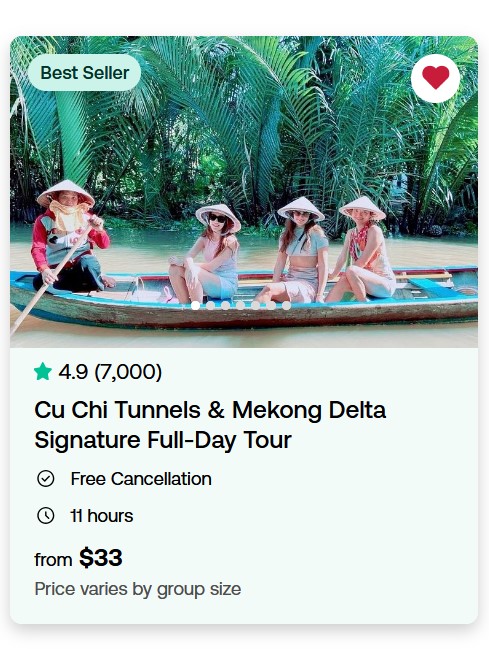
A: Allow 4–5 hours for all three major sites + lunch. Add half a day if you include Cu Chi Tunnels or Mekong Delta.
🌟 Final Thoughts: More Than Just Tourism — It’s Memory, Respect, and Connection
Visiting Ho Chi Minh City’s historical landmarks isn’t about ticking boxes — it’s about bearing witness. It’s about understanding why Vietnam fought so hard for independence, and why its people today carry such pride and resilience.
Whether you’re standing before a child’s drawing of napalm scars, walking through the bunker where generals made life-or-death decisions, or admiring the French columns that still grace the city’s skyline — you’re stepping into the living story of a nation that refused to be broken.
So come with curiosity. Come with respect. And leave with a deeper appreciation for the strength, spirit, and soul of Vietnam.
📌 Save This Guide! Bookmark or print this page for your Ho Chi Minh City trip. Share it with fellow travelers who want to experience the real Vietnam — not just the postcard version.
👉 Next Up? Read our guide to Cu Chi Tunnels: The Underground War That Changed History — or explore Mekong Delta: Floating Markets, Rice Fields & Local Life.